
SPEAKER · MARTIAL ARTIST · SURVIVOR
Be yourself. Everyone else is already taken.
I share a birthday with Oscar Wilde, who is credited with that line. I've spent a lifetime testing it. This is where I share what I've learned with audiences ready to do the same.

THE WORK
Four audiences. Four talks. Each one shaped to the room.
Four talks, four different rooms, one source: thirty-plus years of working with people in their hardest hours, forty years on a martial arts mat, and a body that has lived through more than its share of crises. Each talk is shaped to the audience in front of it. If something below sounds like it would land for your group, I'd be glad to talk about whether it's the right fit.
THE TEEN TALK · FOR SCHOOLS AND YOUTH PROGRAMS
The ABCs for Teens
I don't lecture teenagers. They've heard every version of the lecture and learned to wait it out the way you wait out a long red light. So I built something else: a fast-moving, interactive, multimedia presentation on the ABCs, the attitudes and skills that decide how school and life actually go. We start with accountability, because nothing changes until a person owns their part. From there we move through action, association, and attitude, then belief, and we end on commitment, the one that holds all the others together.
I teach it the way I learned it, through my own stories, with humor, vulnerability, and open honesty. I've been the kid who rebelled against every reasonable limit and the adult who paid that bill, and teenagers can tell the difference between a speaker performing a lesson and a man telling the truth. Students leave with a framework simple enough to remember on a bad day. Parents and faculty get language they can come back to all year.
Best for: high school and middle school assemblies, parent education nights, faculty development days, prevention and life-skills programming, transition-year events.
THE KEYNOTE · FOR CONFERENCES AND ORGANIZATIONS
Pain Is a Reality. Suffering Is a Choice.
Every room I speak in gets the same starting point: the numbers. More than two hundred and fifty emergency room visits. Over eighty hospital admissions. Nine broken bones, a total ankle replacement, Hepatitis C, stage four cancer, and a diagnosis at age two that said I should live small and sit still. I didn't. This keynote is what I learned instead, about the difference between pain and suffering. Pain is a reality I face every day. Suffering from it is a choice, and I choose acceptance. That's not a poster on a wall. It's a practice, and I can show a room how it works.
Organizations bring me in when their people are carrying something heavy: change, setbacks, burnout, a hard year. I bring forty years on a martial arts mat, thirty-plus years of coaching people through their worst chapters, and the stories that earned every line of it, told with humor and without varnish. Audiences leave with a working frame for the hits they can't control and the responses they can, and with permission to stop performing fine and start actually recovering.
Best for: conferences and annual meetings, leadership events, healthcare and association gatherings, teams navigating change or a hard season.
FOR THE HEMOPHILIA COMMUNITY, CHAPTERS, CONFERENCES, PATIENT PROGRAMS
Living Full Out with Hemophilia
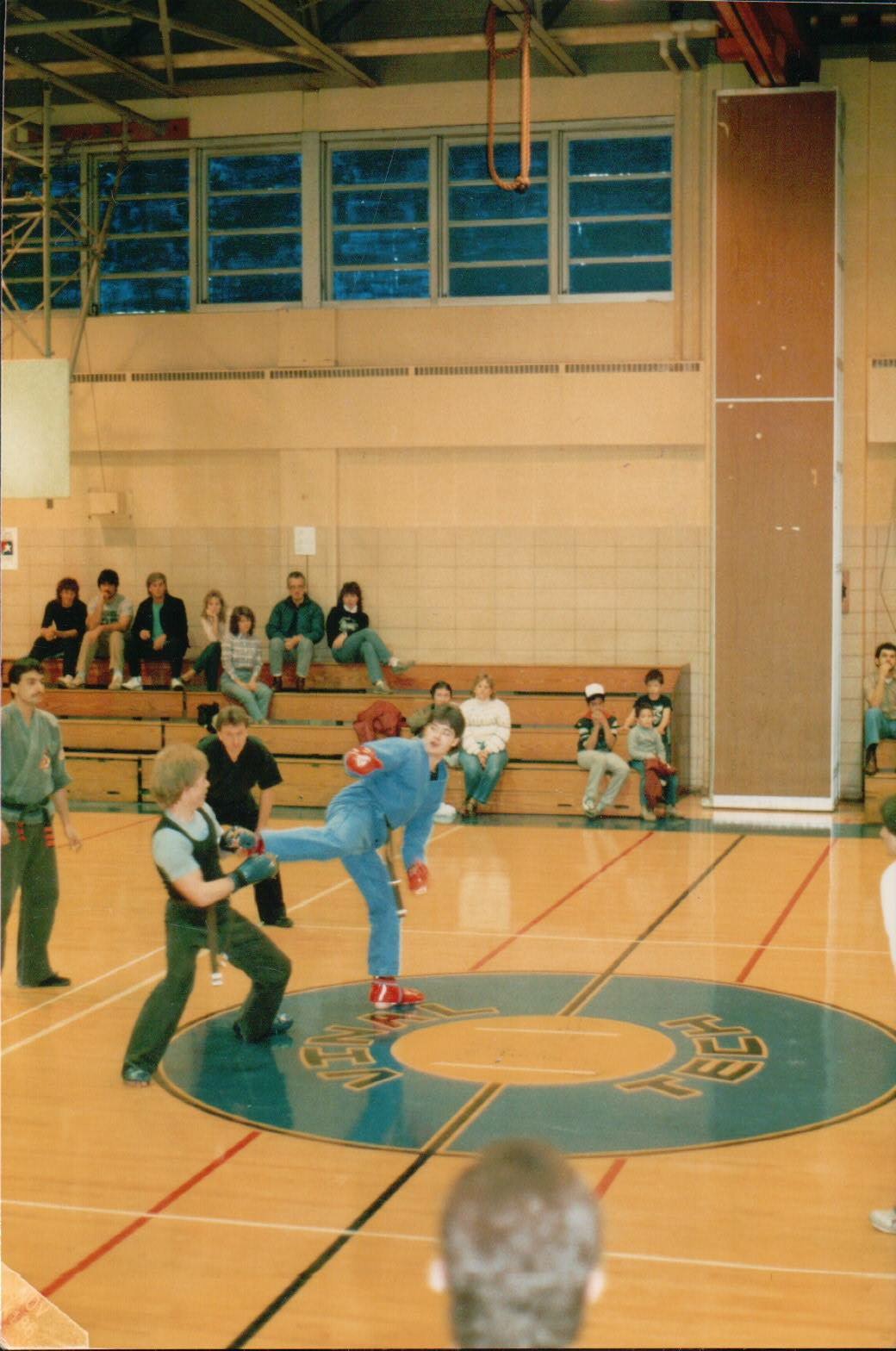
Like a lot of mild hemophiliacs, I rebelled against living in a plastic bubble. I have the medical record to prove it: more than two hundred and fifty emergency room visits, over eighty hospital admissions, nine broken bones, compartment syndrome in both an arm and a leg, one total ankle replacement, and a Hepatitis C diagnosis from a bad transfusion that took a year of interferon and ribavirin to push into remission. Mild diagnosis, severe lifestyle. I competed as a point fighter through the 80s and 90s, taught martial arts for decades, jumped out of a plane, rode a bull, and still ride a Harley. The receipts came due. I paid them.
For the past two years I've self-infused with weekly factor replaacement, and it has been the kind of game-changer that's easy to take for granted until the day you actually need it. I had it on hand the morning I tore up my arm badly enough to end up in an ER without factor on the shelves. Having my own almost certainly saved that arm. My brother died of a brain bleed. Weekly factor may have saved him. I carry that into every room I speak in, not as a sermon about access or compliance, but as honest weight. This talk holds both the celebration of what's possible now and the grief of what wasn't possible soon enough.
Best for: NHF and HFA chapter events, patient and family education days, summer camps for teens and families, industry-sponsored patient programs, regional and national conferences.
FOR MARTIAL ARTS SCHOOLS, FEDERATIONS, AND INSTRUCTOR TRAININGS
Lessons from the Mat
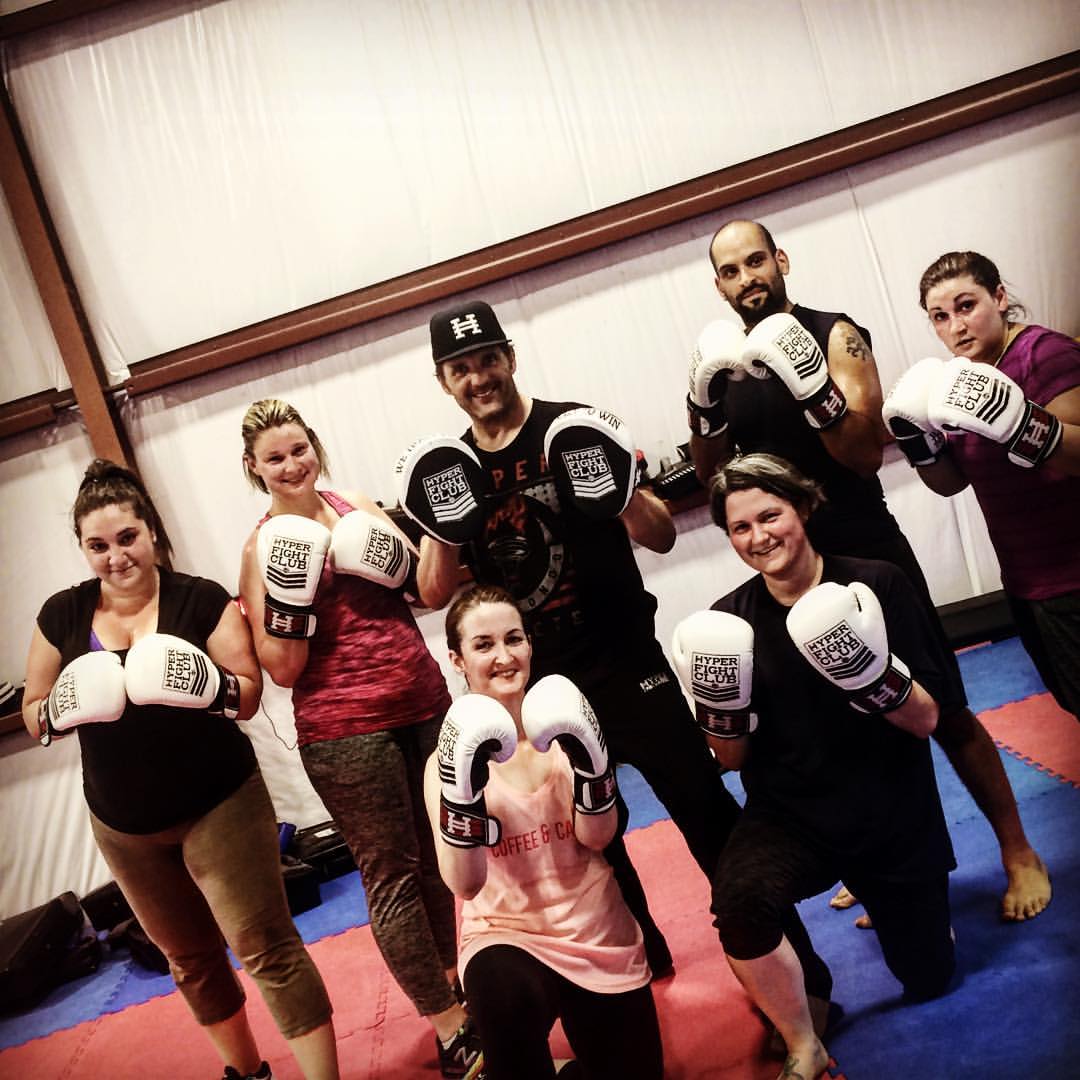
Forty years in, the mat has taught me almost everything I know about pressure, recovery, ego, and how to keep showing up after a loss you watched coming from across the ring. The techniques have changed, the federations have changed, the kids walking through the dojo door have changed. The work hasn't. It's the same work it was when I started competing as a point fighter in the early 80s, and it's the same work I was doing the last time I taught a class: making a person more capable than they were when they walked in, in ways that have very little to do with how well they can throw a kick.
This talk is for practitioners and instructors who want to think more carefully about what they're really transmitting. Technique is the vehicle. It is not the cargo. The cargo is harder to name and harder to teach: confidence that isn't bravado, presence that doesn't shrink when pressure rises, the kind of self-respect that doesn't need an audience. I'll bring stories from forty years of training and teaching, including the failures. Instructors leave with frameworks they can use in their next class. Students leave with a clearer sense of why they're in the room.
Best for: school in-services, black belt camps, instructor certifications, federation gatherings, regional seminars.
Talks range from 30-minute keynotes to half-day workshops. Available for travel.
For specific topics not listed above (recovery, men's groups, faith communities, leadership offsites), get in touch and we'll talk.
COACHING
The Six-Month Accountability Program
Six months. A one-hour call every week, plus text support between calls. That's the structure. The purpose is simpler: a person in your corner who expects you to show up, tells you the truth, and helps you build the habits, self-awareness, and skills that make the rest of your life work better. Some of the work is fun. Some of it is uncomfortable. Most of it is worth it.
The six months move through four phases. The first month builds trust and names one to three real goals. The middle three months are the working stretch, with weekly topics that rotate through whatever you're actually navigating: work or school, health, relationships, confidence, money, what comes next. The last two months, you take the wheel, and we build a plan so the progress holds after the calls end. Along the way there's a mid-program review, honest tracking, and a coach who celebrates progress and examines setbacks without performing either.
I've coached teenagers finding their footing and adults rebuilding theirs, and the program bends to fit. For teen clients, parents get occasional updates with the teen's permission; what's said in sessions stays in sessions, with the only exception being genuine safety concerns. For everyone, the same ground rules: honesty in both directions, real commitment to the work between calls, and the understanding that coaching complements therapy and medical care rather than replacing either.
I'm trained and certified as a life coach through Accomplishment Coaching, an ICF-accredited program, and certified as an addiction recovery coach through CCAR, the global leader in recovery coach training. I take a small number of clients at a time. If this sounds like what you or your family needs, use the contact form below and tell me a little about who it's for. We'll start with a short call, no charge, to see whether it's the right fit.
ABOUT MICHAEL
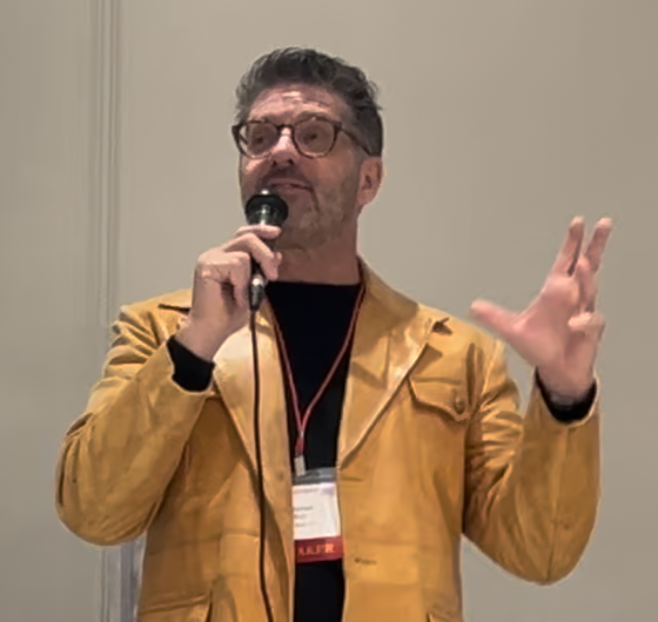
I've been to a lot of places most people don't want to go. I came back. I speak about what I learned there.
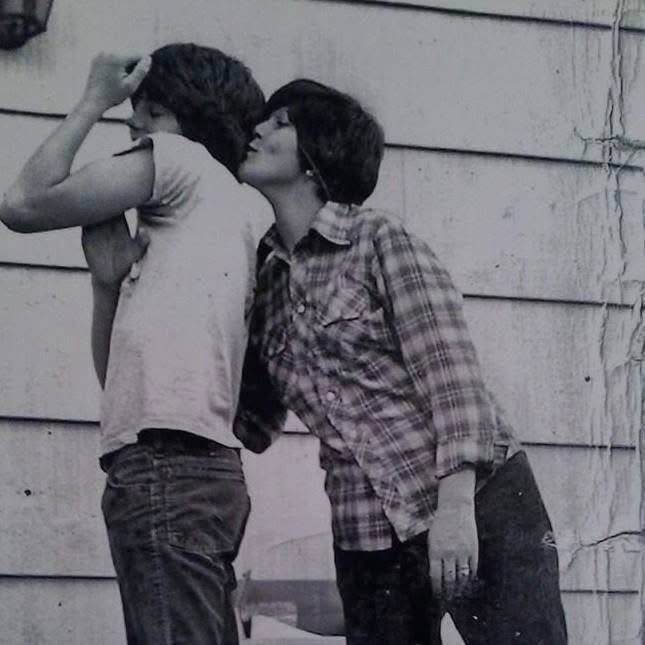
I share a birthday with Oscar Wilde, who is credited with the line, 'Be yourself; everyone else is already taken.' I take that as a working philosophy and a daily assignment. The work I'm here to do, in workshops, on stages, in private rooms with people in their hardest hours, is to help anyone ready for it find the grace and the growth it takes to live their fullest life. Not the most polished version. Not the one that looks best on someone else's terms. The fullest one, which is harder, lonelier, and worth it.
I'm a lifelong hemophiliac, a stage four cancer survivor, a Hepatitis C survivor, and a recovered alcoholic active in the recovery community. For years I medicated the trauma of a body that didn't cooperate and a culture that told me, every way it knew how, to live small. I don't anymore. The not-anymore is its own long story, and parts of it show up in what I speak about.
Emergency room visits
Hospital admissions
Years in martial arts
Years working with clients
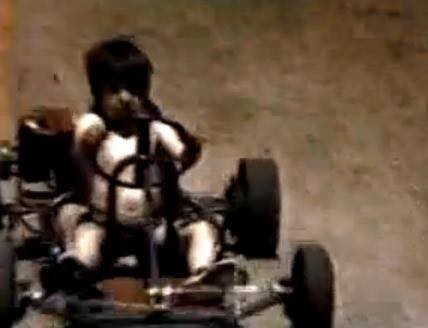
The count started early. In 1967, at the age of two, I flew headfirst into a coffee table playing superhero and landed in the ICU at Yale. Since then: more than two hundred and fifty ER visits, over eighty admissions, nine broken bones, compartment syndrome in both an arm and a leg, one total ankle replacement, and a Hepatitis C diagnosis from a bad transfusion that took a year of interferon and ribavirin to push into remission. Stage four cancer somewhere in the middle of all that, which I also survived. Mild hemophilia, severe lifestyle. Competitive baseball, skiing, a long martial arts practice, a Harley I still ride. The medical record reflects the lifestyle, not the diagnosis. The receipts came due. I paid them.
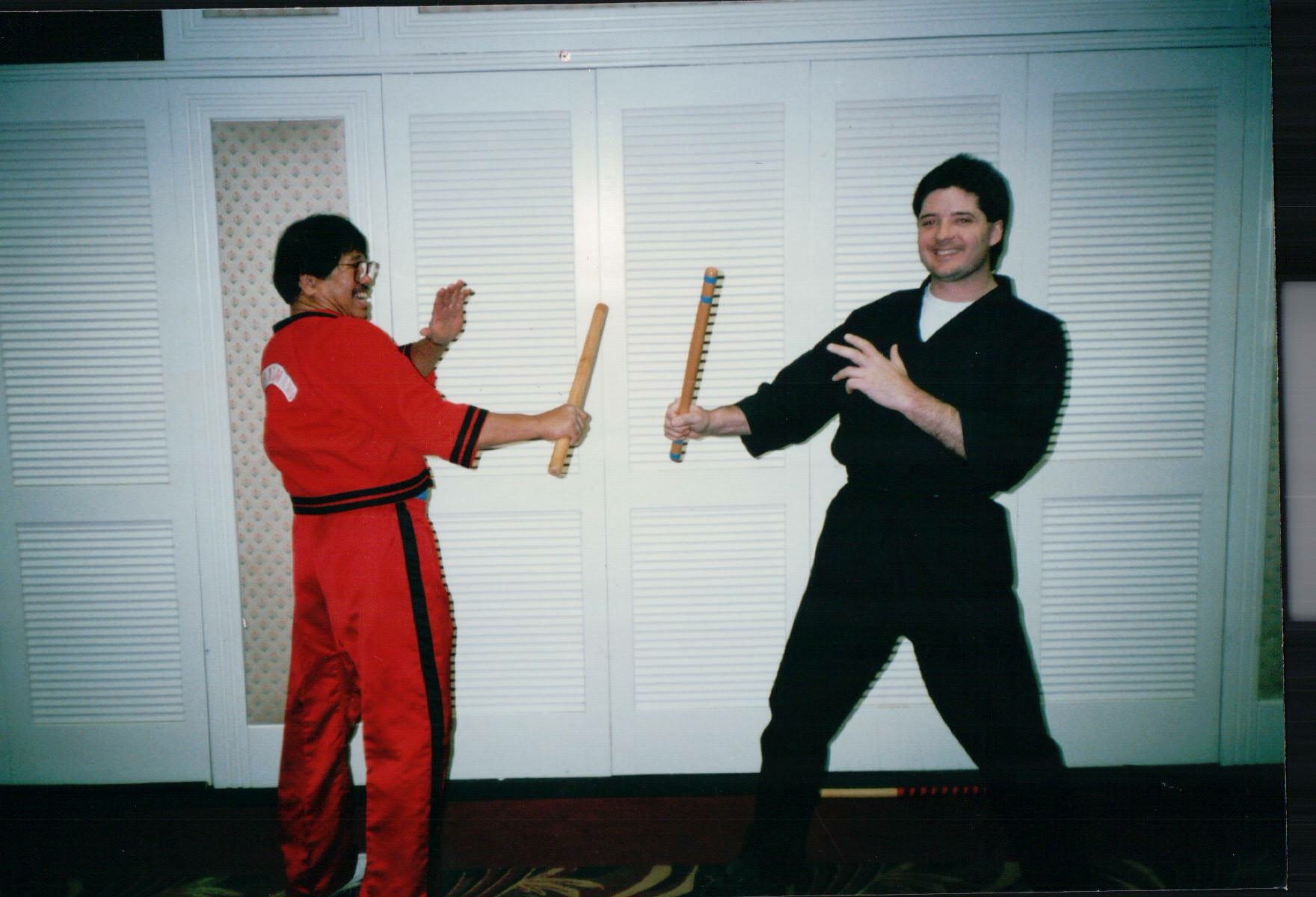
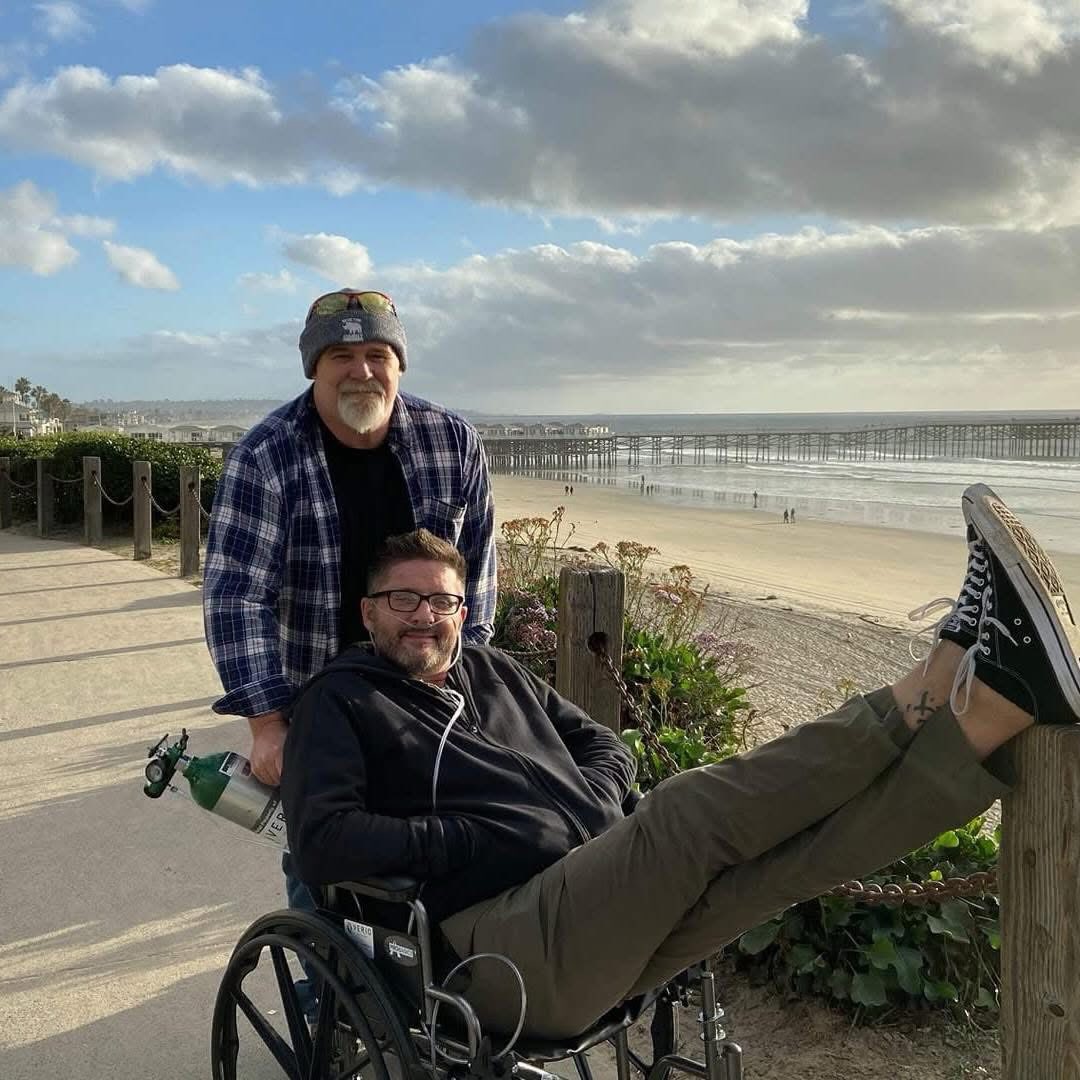
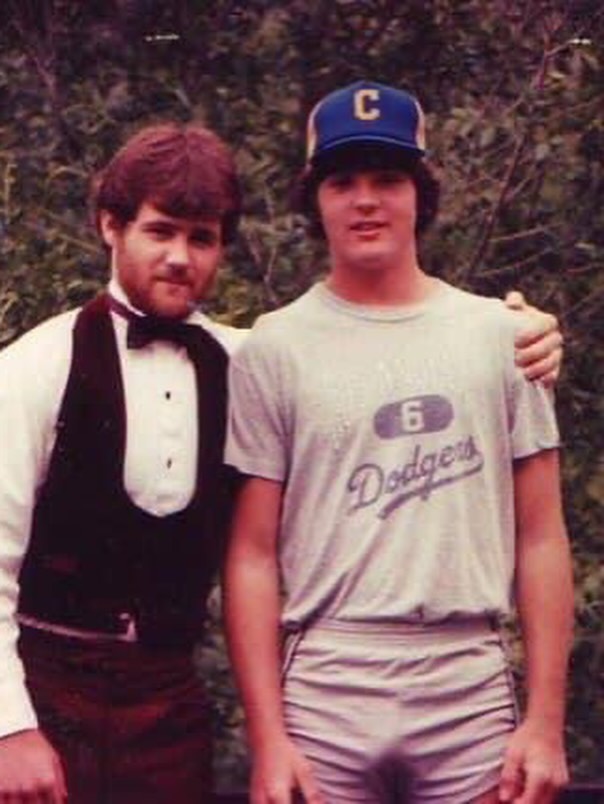
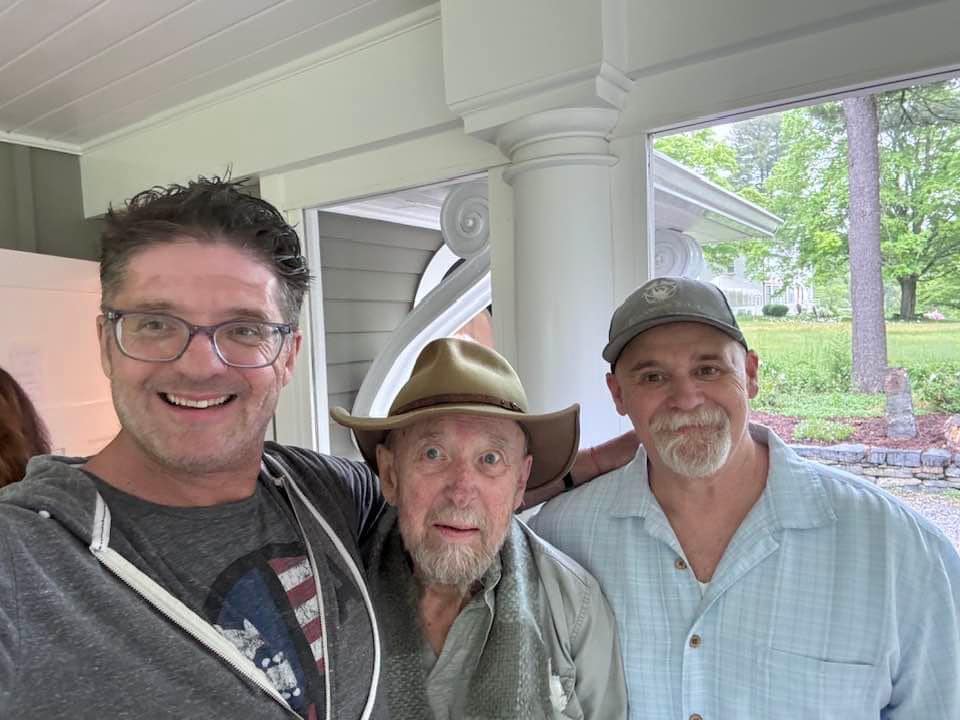
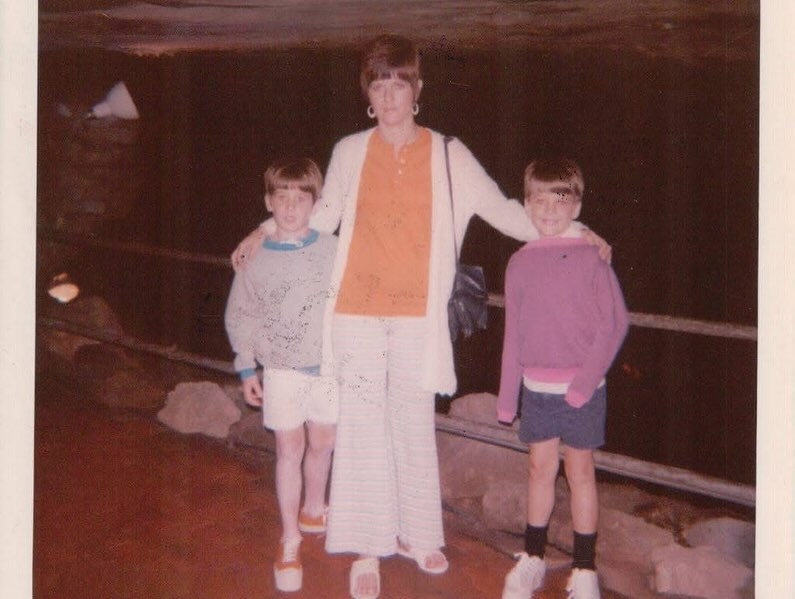
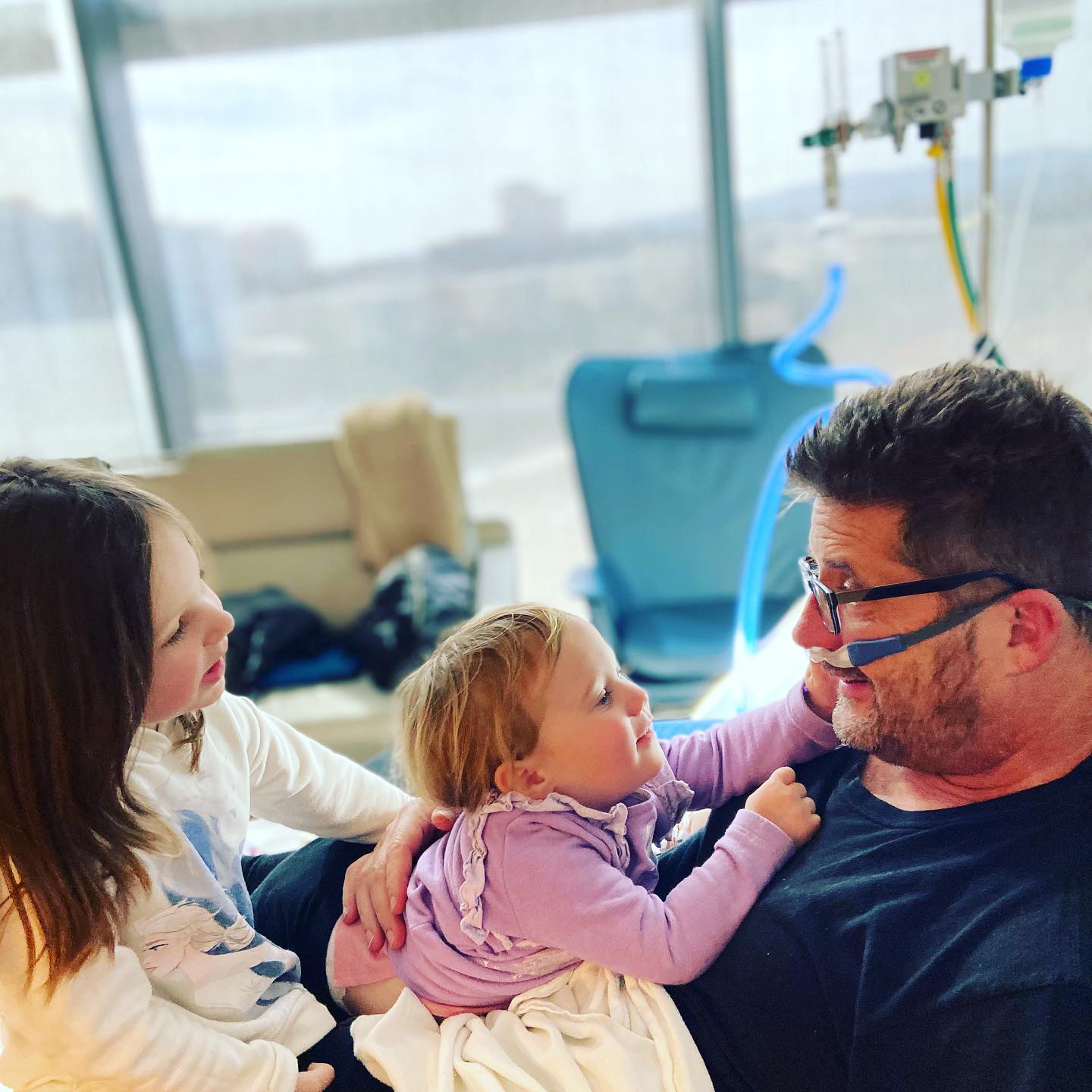
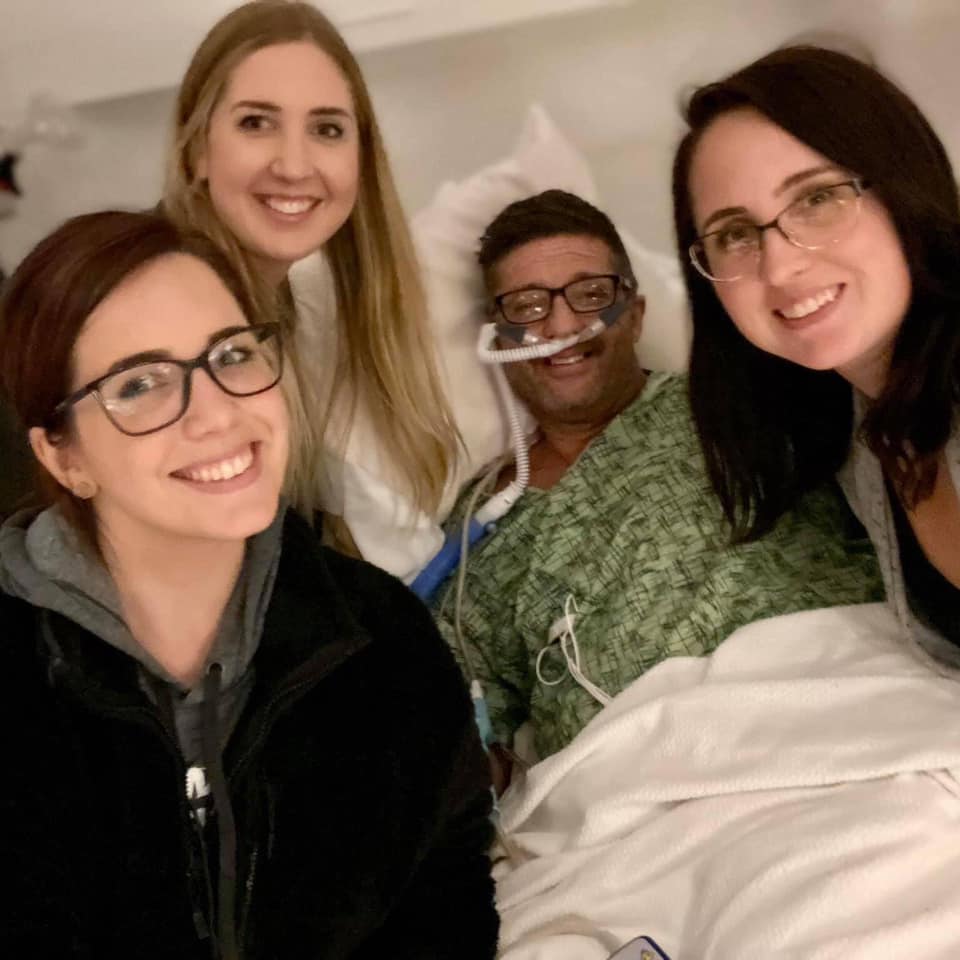

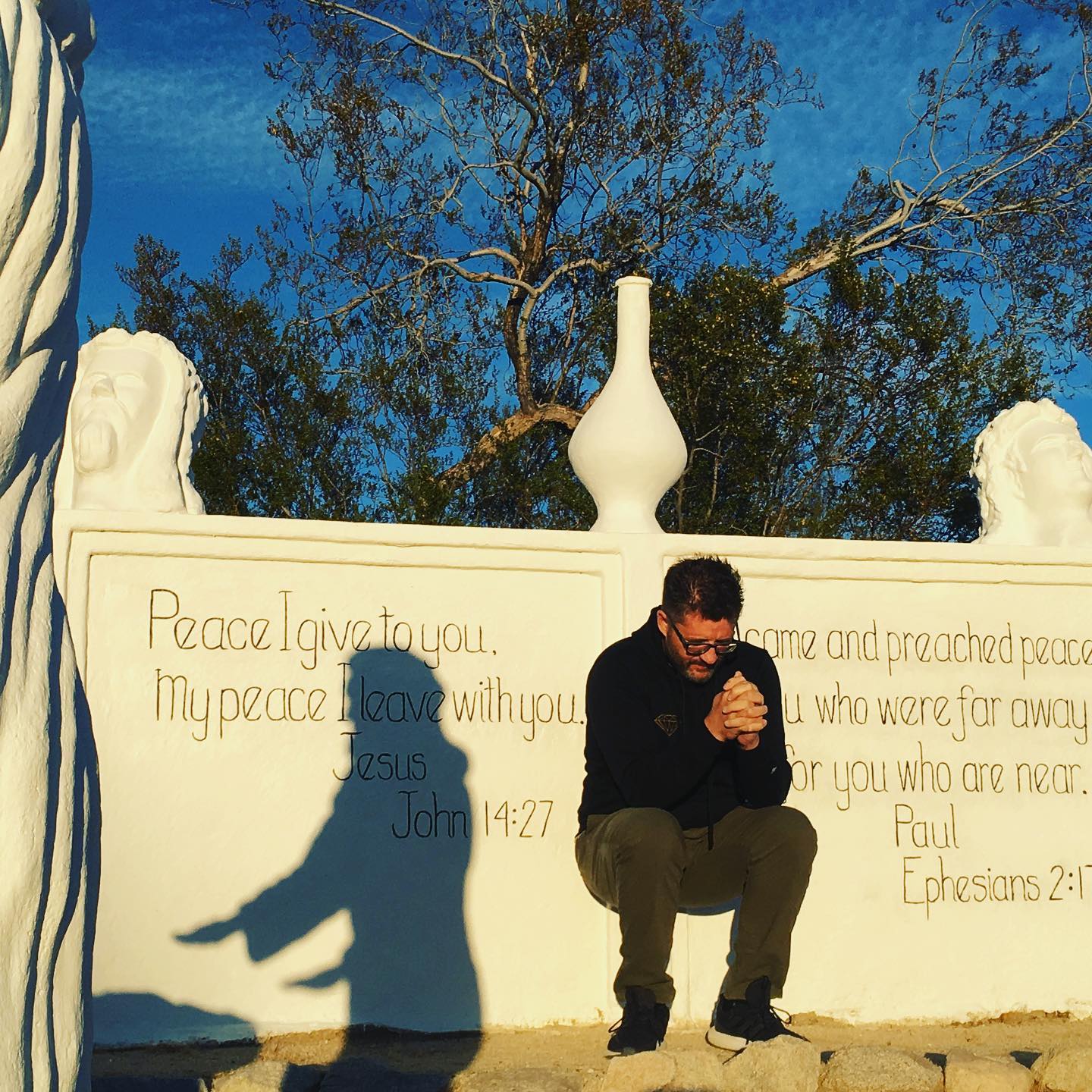
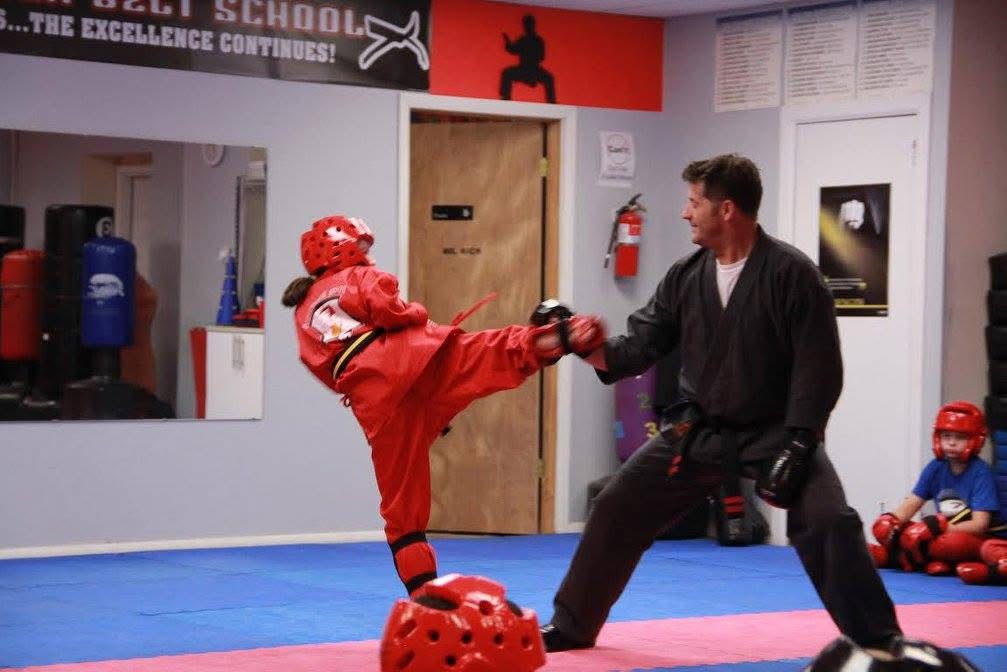
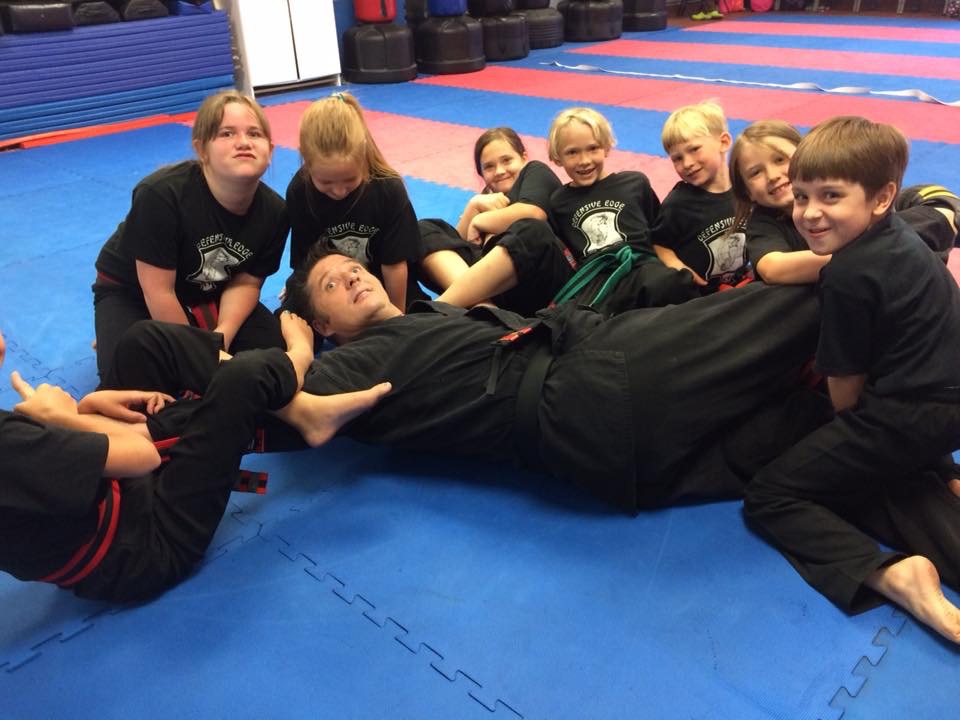
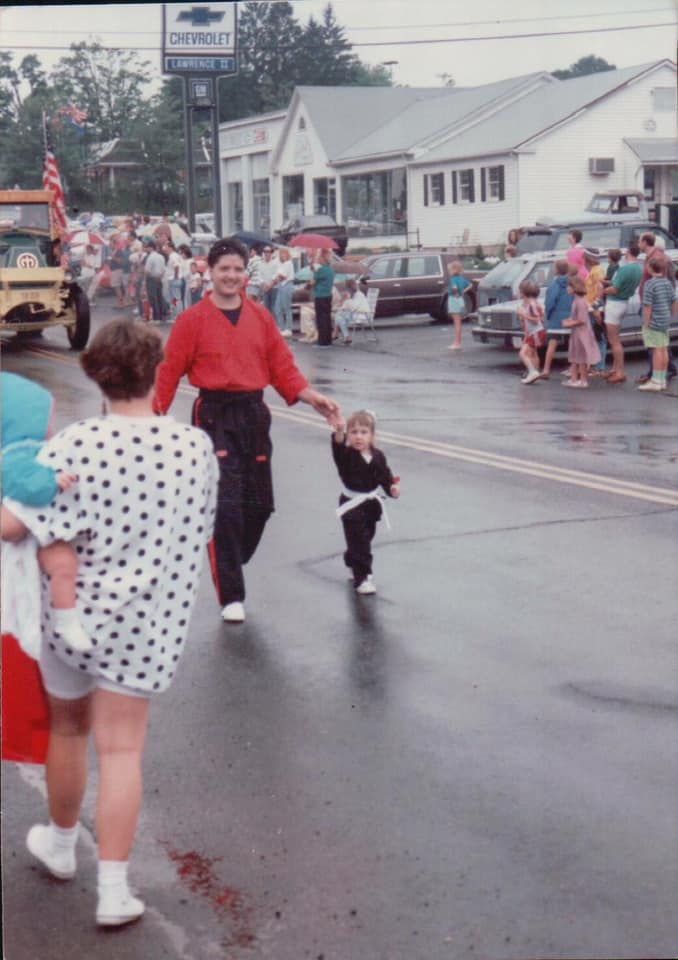
My older brother David was the only other person with hemophilia I knew for fifty-seven years. He passed away last year. We were the kids parents didn't want at their house and teachers didn't want in their classroom, growing up in a small Connecticut town in the 60s and 70s when hemophilia was something most people only knew from the worst headlines. When I was finally told in high school that I was a liability and couldn't play football, the kid who'd ignored every warning to that point was crushed. I became the youngest paid reporter at the Middletown Press writing up the games instead, typing them on my father's old machine so he could drop them off at five in the morning for the afternoon paper. I earned a varsity letter for filming the games and keeping stats. I've been making it work like that for almost sixty years.
For the past year or so I've been self-infusing weekly with factor replacement, and it has been a game-changer in ways that don't show up until they do. I had it on hand the day I injured my arm badly enough to end up in an ER without factor on the shelves. Having my own almost certainly saved that arm. David didn't have what I have now. Weekly factor may have saved him. I think about that often, and I think about it differently now than I did before I had a treatment regimen I trusted. The grief and the gratitude live in the same room.
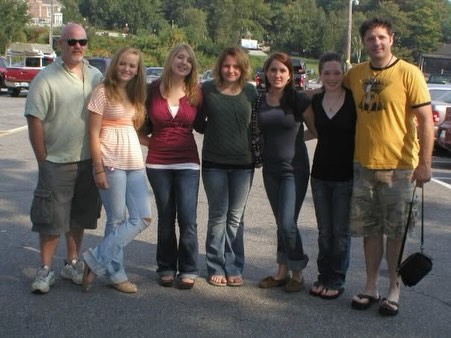
The most important thing in my life is my three daughters, Jordan, Kyrsten, and Taylor, and my four grandchildren, Lily, Josie, Weston, and Rory. Weston, like his grandfather and great-uncle, is a hemophiliac. He'll grow up inside a community I didn't have, with medical advances I couldn't have imagined, and with a mother who already knows the value of both. That changes what I have to say in a hemophilia chapter room. It changes what I have to say to anyone willing to listen.
Outside the medical chapter, which is the chapter most people want to ask about and the one I have the most practice telling, I've spent thirty-plus years facilitating clients' personal development work. I founded SuperHero Revolution, a full-day experiential workshop that helps people uncover and reclaim their personal power. I'm trained and certified as a life coach through Accomplishment Coaching, an ICF-accredited program, and certified as an addiction recovery coach through CCAR, the global leader in recovery coach training. That work now has a home on this site too; you'll find my six-month accountability program under Coach.
I have a background in acting, writing, directing, and producing for stage, television, and film, and a handful of entrepreneurial ventures behind me. Some that worked, some that taught me what I needed to know for the next one. I'm currently finishing a memoir about healing and thriving through positive thought, intention, connection, and action. My writing has appeared in two anthologies and a Connecticut Children's Hemostasis & Thrombosis Center newsletter feature, which are linked below.
What I've learned, after almost sixty years of it, is that there's a difference between pain and suffering. Pain is a reality I face every day. Suffering from it is a choice. I choose acceptance. That's the short version. The rest is what I came to talk about.
Michael Robert Eck
"Be yourself; everyone else is already taken."
OSCAR WILDE, OR SOMEONE WHO BORROWED HIS NAME WELL
WRITING
On healing, thriving, and the long work in between.
I've been writing about this material as long as I've been living it. Some of it has made its way into print. Most of it is still in the book I'm finishing. The pieces below are a way in.
IN PROGRESS
The memoir.
I'm finishing a book. A memoir about the long work of healing and thriving through positive thought, intention, connection, and action. It's the story of a body that wasn't supposed to do what mine did, a brother I lost too soon, three daughters and four grandchildren who keep teaching me what showing up actually means, and the practices that finally made the difference between pain and suffering. If you'd like to know when it's available, or read an excerpt before it's out, leave your email below. I won't send anything else.
PUBLISHED
In print and on the record.
Until the memoir is out, the work shows up in essays, anthologies, and interviews. Three pieces worth pointing to.
ANTHOLOGY · CONTRIBUTING AUTHOR
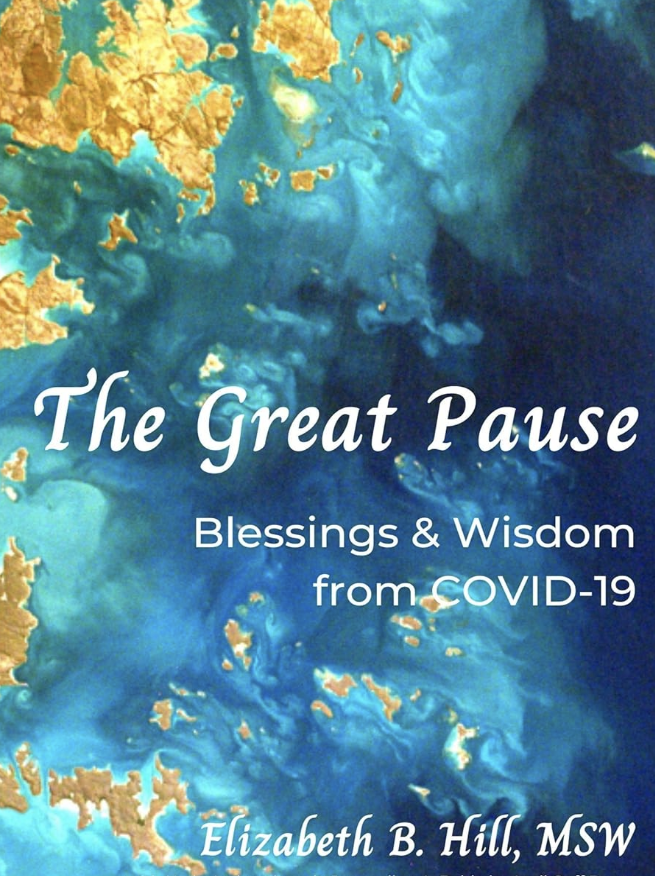
The Great Pause: Blessings & Wisdom from COVID-19
Edited by Elizabeth B. Hill, MSW
A collection of essays from twenty-three contributors on what the pandemic took, what it gave back, and what we'd be foolish to forget. My chapter is about the quiet usefulness of being forced to stop.
ANTHOLOGY · CONTRIBUTING AUTHOR
The Wisdom Collective
By Nick Unsworth, Megan Unsworth & Purpose-Driven Thought Leaders
An anthology of essays from entrepreneurs on the wisdom that comes from choosing growth over comfort. My contribution draws on three decades of coaching and forty years on a martial arts mat for readers stepping into a new season of life or work.

INTERVIEW ON HEMOPHILIA · MAY 2026
Patient and Family Spotlight
The Hemostasis & Thrombosis Center Newsletter, Connecticut Children's
A candid Q&A on six decades with hemophilia, what changed when I started self-infusing, and the difference between pain and suffering. Recommended reading if you want the medical chapter in my own words rather than a bio's.
"Pain is a reality I face every day. Suffering from it is a choice. I choose acceptance."
FROM THE CONNECTICUT CHILDREN'S INTERVIEW, MAY 2026
BOOK MICHAEL
If something here landed, the next step is short.
The fastest way to check a date or talk through whether one of these talks is right for your audience is the form below. I read every message that comes through. If your event is time-sensitive, email works too. The address is to the right.
Email: hello (at) michaelroberteck.com
Based out of: Sandpoint, ID
Available for travel, domestic and international.
"Do not pray for an easy life. Pray for the strength to endure a difficult one."
- BRUCE LEE